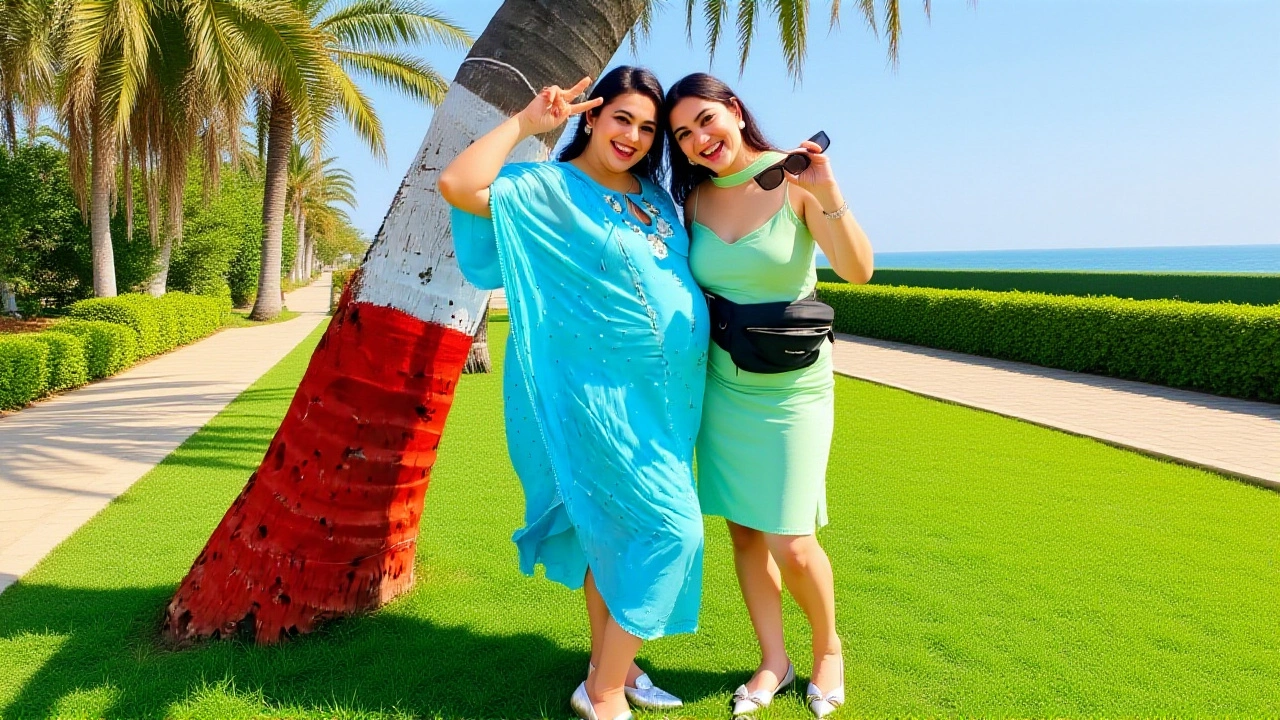
When Divyanka Tripathi, the beloved star of Indian television, stepped into the spotlight on March 19 to announce her pregnancy, she didn’t just share happy news—she challenged a common medical assumption. At 41 years old, the actress revealed she conceived naturally, bypassing the fertility treatments that many women in their early forties rely on. It’s a story that’s resonating far beyond entertainment circles, sparking conversations about age, biology, and the changing narrative of motherhood.
The announcement came via a heartfelt video blog where Tripathi proudly flaunted her baby bump, wearing a flowing long gown that accentuated her glow. But it wasn’t just the visuals that caught attention—it was her clarification. In an era where Indira IVF and other clinics highlight how difficult natural conception becomes after 40, Tripathi’s journey stands out as a rare exception. She explicitly stated she did not use assisted reproductive technology like IVF or ICSI for this pregnancy, while still expressing deep respect for those who do.
A Rare Biological Milestone
Here’s the thing: getting pregnant naturally at 41 is statistically uncommon. According to data from Indira IVF, a leading fertility provider in India, a woman’s natural fertility begins to decline significantly in her late thirties. By age 40, the quantity and quality of eggs drop sharply, making conception more challenging. The clinic notes that by 45, natural pregnancy chances are “very low” due to diminished ovarian reserve.
So why does Tripathi’s case matter? Because it proves that while averages dictate trends, individual biology can defy them. Her announcement has been covered extensively by outlets like Aaj Tak and Times Now Hindi, both highlighting the dual narrative: her personal joy and the broader medical context. On March 20, 2026, Aaj Tak published a detailed report confirming her statement that she conceived “naturally” at age 40, emphasizing that she respects scientific advancements but chose a different path.
The 'Ishi Maa' Phenomenon
Tripathi is best known to fans as “Ishi,” her character from the hit serial *Yeh Rishta Kya Kehlata Hai*. The moniker “Ishi Maa” quickly trended across social media platforms, with YouTube shorts and Instagram reels celebrating her transition from on-screen daughter to real-life mother. Hashtags like #IshiMaa, #PregnancyJourney, and #MomToBe flooded feeds, blending fan affection with genuine curiosity about her health journey.
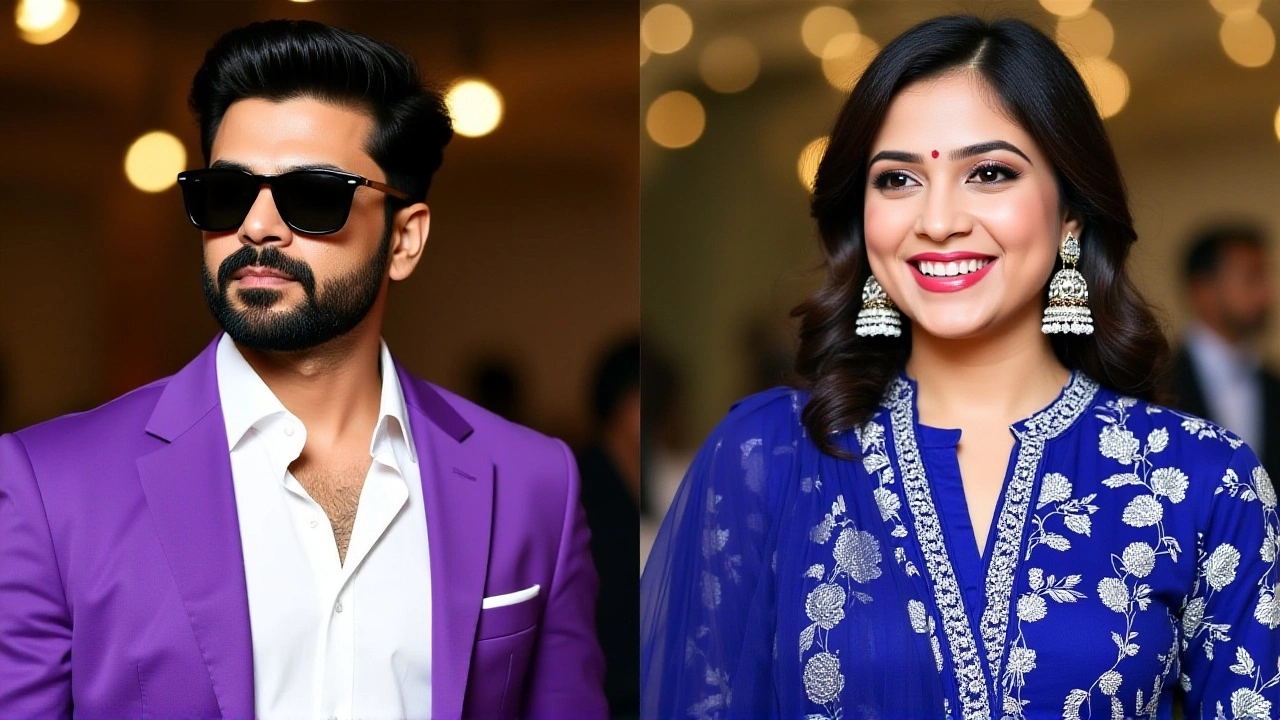
In one widely shared photo gallery from Times Now Hindi, Tripathi is seen smiling radiantly in a full-length dress, clearly proud of her growing bump. The captions don’t shy away from describing her “pregnancy glow,” noting how her smile “adds moonlight to the photo.” It’s a visual testament to maternal pride, but also a strategic moment of visibility for older mothers in the public eye.
Respecting Science, Celebrating Nature
What makes Tripathi’s message particularly nuanced is her balance between personal experience and empathy for others. While she celebrated her natural conception, she made sure to honor the role of science in modern parenthood. “Today, thanks to science, there are many techniques through which children can be born,” she said in her vlog. This acknowledgment is crucial—it avoids creating false hope or stigma around IVF, ICSI, or donor egg programs, which remain lifelines for countless couples.
Medical experts agree that while natural conception after 40 is possible, it requires optimal health conditions. Factors like thyroid levels, blood pressure, diabetes management, and uterine health play significant roles. As Indira IVF points out, even if egg quality declines, the uterus can often remain healthy well into a woman’s fifties, allowing for successful pregnancies with medical support.
Why This Story Resonates
This isn’t just celebrity gossip; it’s a cultural shift. For decades, media portrayed motherhood as a phase reserved for women in their twenties or early thirties. Today, we’re seeing more women embracing parenthood later in life, whether by choice or circumstance. Tripathi’s openness helps normalize this reality without glorifying or stigmatizing either path.
Her decision to share multiple photos taken over different times—not just a single staged shoot—adds authenticity. Fans saw glimpses of her daily life, her style evolution, and her emotional journey. It felt less like a press release and more like a friend sharing big news over coffee.

What’s Next?
While details about the due date or gender reveal remain under wraps, speculation is already swirling. Some reports hint at a potential baby shower event, though nothing official has been confirmed. Industry insiders suggest Tripathi may take a break from filming to focus on her health, given the increased risks associated with pregnancies after 40.
For now, the conversation continues online, with users debating fertility myths, sharing personal stories, and celebrating Tripathi’s courage in speaking openly. Whether you’re planning for kids, supporting someone through IVF, or simply curious about human biology, this story offers something worth reflecting on.
Frequently Asked Questions
Did Divyanka Tripathi use IVF to conceive?
No, Divyanka Tripathi explicitly stated in her vlog that she conceived naturally at age 40 without using assisted reproductive technologies like IVF or ICSI. However, she expressed strong respect for these medical advancements and acknowledged their importance for many families.
Is it safe to get pregnant at 41?
Yes, but it carries higher risks. Medical sources like Indira IVF note that while natural conception becomes less likely after 40 due to declining egg quality, many women have healthy pregnancies with proper prenatal care. Regular monitoring for conditions like gestational diabetes and hypertension is essential.
Who is Ishita Dutta mentioned in some hashtags?
Ishita Dutta is another prominent Indian television actress. Her name appears alongside #IshiMaa in some social media posts likely due to algorithmic tagging or fan confusion, but she is not related to Divyanka Tripathi’s pregnancy announcement.
When will Divyanka Tripathi give birth?
As of March 2026, no official due date has been released by Divyanka Tripathi or her representatives. Given typical pregnancy timelines, delivery is expected sometime in late 2026, but exact dates depend on individual medical assessments.
How common is natural pregnancy after 40?
It’s relatively rare. Studies show that only about 5% of women over 40 conceive naturally each cycle compared to 20-25% for women in their twenties. Success depends heavily on overall health, lifestyle factors, and genetic predisposition.
Releted Post

Aarav Sengupta
Hello, I am Aarav Sengupta, a consulting and marketing expert with a passion for Indian culture and current affairs. I love to delve into the intricacies of Indian life and share my insights through writing. With a keen eye on the Indian news landscape, I strive to bring valuable perspectives on various topics. My goal is to provide readers with a fresh, engaging, and informative outlook on Indian society and the world of marketing.
Comments
Post Comment