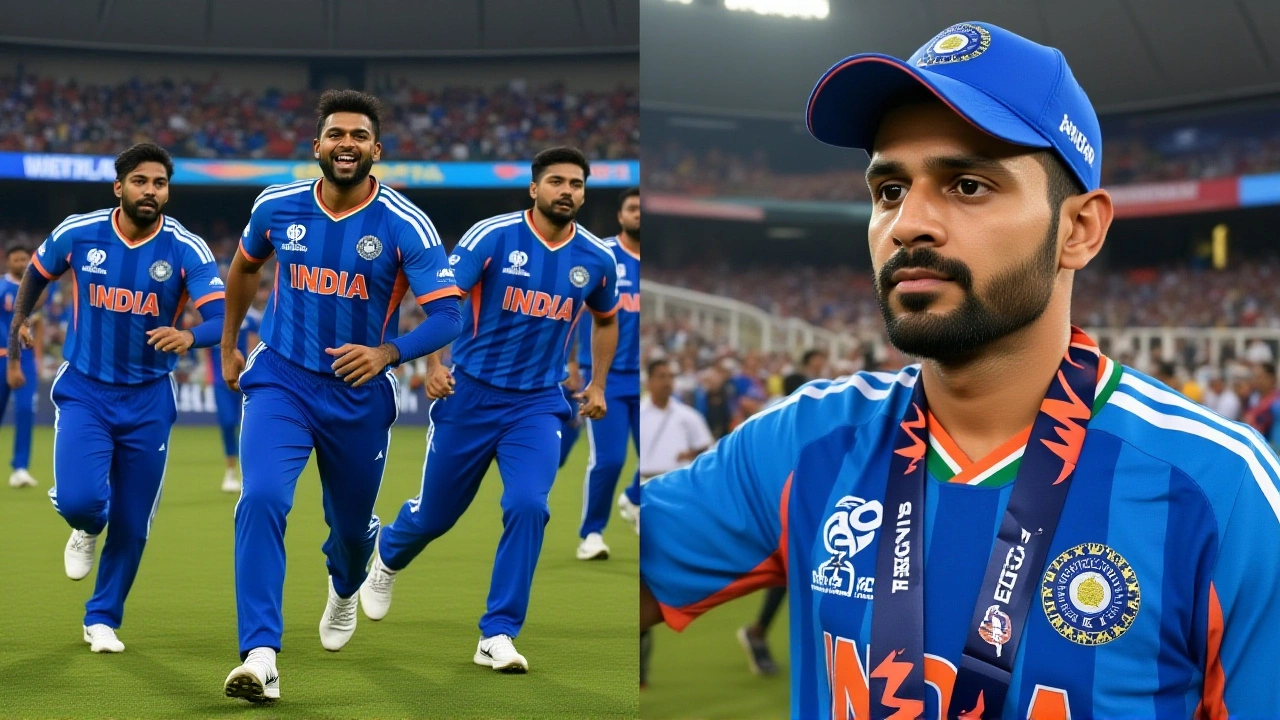
India’s dominance wasn't just about winning; it was about overwhelming performance. On Monday, 9 March 2026, the International Cricket Council officially announced its Team of the Tournament for the ICC Men's T20 World Cup 2026India and Sri Lanka, and the numbers tell a stark story: four players from the victorious Indian squad made the cut. Leading the charge is Sanju Samson, Player of the Tournament, who didn’t just play well—he redefined what middle-order aggression looks like on the biggest stage.
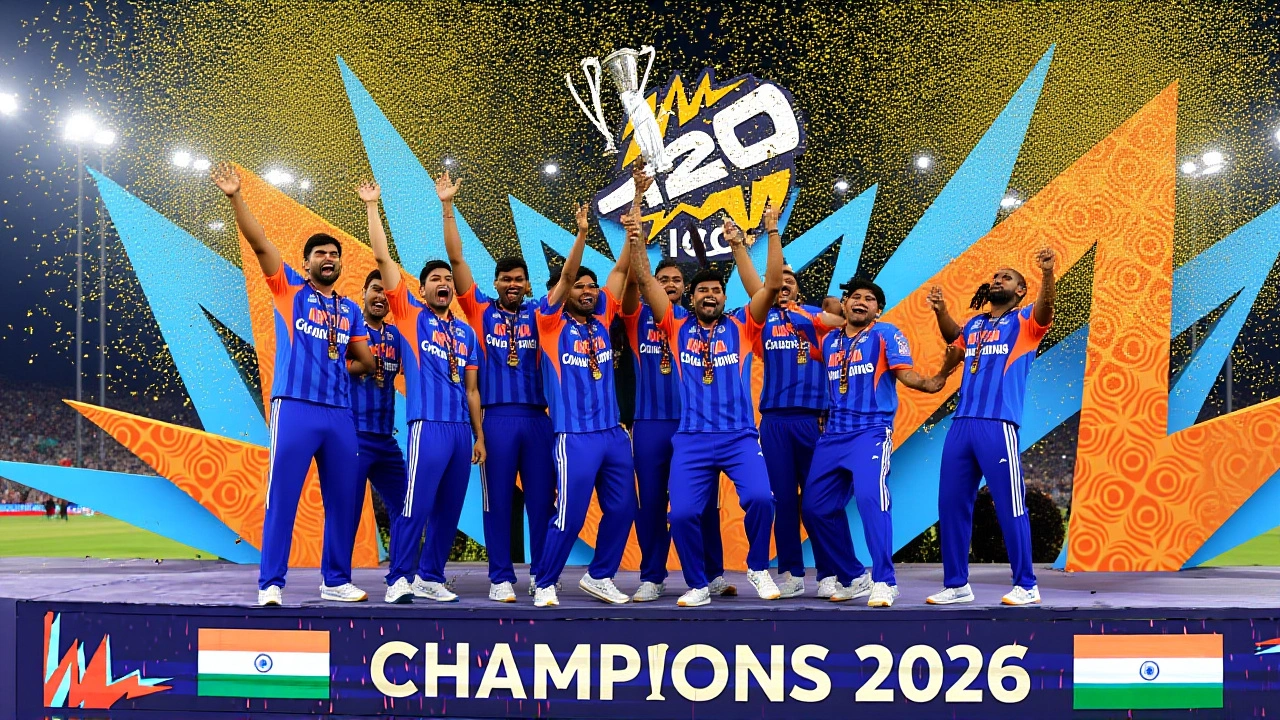
The announcement came just one day after India cemented their legacy by defeating New Zealand by a staggering 96 runs in the final on 8 March. This victory wasn't merely a title defense; it made India the first nation to win back-to-back T20 World Cups, the first host country to lift the trophy at home, and the first team to secure the honor three times overall. But while the national celebrations were underway, the ICC focused on individual brilliance that shaped the tournament.
A Quartet of Indian Excellence
Here’s the thing: you don’t get four players in an XI unless your entire system is firing on all cylinders. Alongside Samson, Ishan Kishan, Hardik Pandya, and Jasprit Bumrah were recognized for their pivotal roles. It’s a testament to depth as much as star power.
Samson’s statistics are almost too good to be true. He scored 321 runs at an average of 80.25, but the strike rate of 199.37 is where the real story lies. That’s nearly two runs per ball faced. Kishan provided explosive support with 317 runs at a strike rate of 193.29, though his lower average of 35.22 suggests higher risk-taking. Then there’s Bumrah, whose bowling figures of 14 wickets at an average of 12.42 were simply untouchable. He didn’t just take wickets; he dismantled batting lineups.
Markram Leads, England Shines Through All-Rounders
Interestingly, the captaincy of this composite XI went not to an Indian, but to South Africa’s Aiden Markram. Markram accumulated 286 runs at an average of 47.66 and a strike rate of 165.31, providing steady leadership and consistency when his team needed it most. His selection highlights that even in defeat, individual class stands out.
England, despite exiting in the semi-finals, secured two spots through their versatile duo of Will Jacks and Adil Rashid. Jacks was a revelation, scoring 226 runs at an impressive average of 56.50 with a strike rate of 176.56, while also chipping in with nine wickets at 21.66. Rashid, the veteran spinner, proved indispensable with 13 wickets at 19.23. Their inclusion signals that England’s brand of aggressive, multi-dimensional cricket remains highly competitive.
The Global Spread: Pakistan, West Indies, and Zimbabwe
The remaining spots reflect the tournament’s global competitiveness. Pakistan’s Sahibzada Farhan was the leading run-scorer among the selected players, amassing 383 runs at a massive average of 76.60 and a strike rate of 160.25. His consistency was remarkable, especially given the pressure of representing a giant of the sport.
West Indies’ Jason Holder earned his place as a classic all-rounder, contributing 141 runs and 10 wickets at an average of 20.40. Meanwhile, Zimbabwe’s Blessing Muzarabani shocked many by finishing with 13 wickets at an excellent average of 14.46. These selections underscore that talent isn’t confined to the traditional top teams anymore.
Why This Matters Beyond the Stats
This Team of the Tournament isn’t just a list of names; it’s a blueprint for modern T20 success. The emphasis on high strike rates (Samson’s 199.37, Kishan’s 193.29) combined with economical bowling (Bumrah’s 12.42, Muzarabani’s 14.46) shows that balance is key. Teams can no longer rely solely on big hitters or specialist bowlers—they need players who can contribute across disciplines, like Pandya and Jacks.
Moreover, the fact that India dominated both the team standings and the individual awards reinforces their status as the current benchmark in T20 cricket. As we look ahead, other nations will study these performances closely. How did Samson handle the pressure? How did Bumrah maintain such low averages against diverse batting styles? These questions will shape training regimens and strategies for years to come.
Frequently Asked Questions
Who was named Player of the Tournament in the 2026 ICC Men's T20 World Cup?
Sanju Samson of India was named Player of the Tournament. He scored 321 runs at an average of 80.25 and a strike rate of 199.37, playing a crucial role in India's victory over New Zealand in the final.
Which countries are represented in the 2026 T20 World Cup Team of the Tournament?
The team includes players from seven countries: India (4 players), England (2), South Africa (2), Pakistan (1), West Indies (1), and Zimbabwe (1). This reflects a mix of dominant champions and standout individual performers from other nations.
Why was Aiden Markram chosen as captain of the Team of the Tournament?
Aiden Markram was appointed captain due to his consistent batting performance, scoring 286 runs at an average of 47.66. Despite South Africa not reaching the final, his leadership and statistical contribution warranted the honor.
How many wickets did Jasprit Bumrah take in the tournament?
Jasprit Bumrah took 14 wickets during the tournament at an exceptional bowling average of 12.42. His ability to dismiss batters cheaply and consistently made him one of the most feared bowlers in the competition.
What historical milestones did India achieve with their 2026 T20 World Cup win?
India became the first team to win consecutive ICC Men's T20 World Cup titles, the first host country to win the tournament at home, and the first team to win the trophy three times overall, solidifying their legacy in T20 cricket history.
Releted Post

Aarav Sengupta
Hello, I am Aarav Sengupta, a consulting and marketing expert with a passion for Indian culture and current affairs. I love to delve into the intricacies of Indian life and share my insights through writing. With a keen eye on the Indian news landscape, I strive to bring valuable perspectives on various topics. My goal is to provide readers with a fresh, engaging, and informative outlook on Indian society and the world of marketing.
Comments
Post Comment